
Key takeaways
- A water filter pitcher should fit your fridge, your tap water and your routine. Learn how capacity, filter life and certifications compare before buying.
A water filter pitcher is one of the simplest kitchen upgrades: fill it from the tap, wait for the water to pass through the filter, and pour a glass of cleaner-tasting water. No plumbing, no installation, and no counter space lost to a bulky system. The catch is that pitchers differ more than they appear to, in capacity, filter life, certification, and how well they fit a fridge door.
This guide compares five pitchers from the three main brands: Brita, PUR, and ZeroWater. It explains how to weigh capacity against fridge space, how filter life affects cost and effort, and what certifications actually mean. The goal is a pitcher that fits the kitchen, the water, and the routine, not just the one with the biggest jug.
As an Amazon Associate, we earn from qualifying purchases.
Quick answer
Choose a water filter pitcher by capacity, filter life, and certification. A 10-cup pitcher suits a family, a smaller one suits a single person, and a filter that lasts two months means fewer changes. Look for NSF certification for the contaminants that matter in local water, and measure the fridge door before buying.
Brita Large 10-Cup Elite Water Filter Pitcher, White
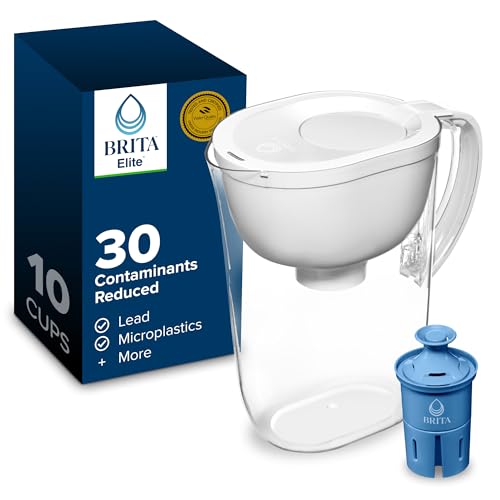
Brita Elite is the large-capacity option in the Brita line, with a 10-cup pitcher that suits a family or a household that drinks a lot of water. The Elite filter is rated to last about six months, which is longer than the standard Brita filter, and it reduces chlorine taste and odor, lead, cadmium, and mercury. The pitcher includes a SmartLight indicator that changes color when the filter needs replacing.
The pitcher is tall and slim, with a locking lid and a spout that pours without spilling. The 10-cup size holds enough water for a family dinner, and the pitcher fits most fridge doors, though it is taller than a standard pitcher and should be measured against the shelf height. The filter is BPA free, and the pitcher is dishwasher safe.
This is the best pick for a family that wants a large pitcher with a long filter life. The six-month filter means fewer changes, and the SmartLight indicator removes the guesswork about when to replace it.
Brita Refillable Water Filtration System, Tahoe 10-Cup Pitcher

The Brita Tahoe is a refillable system, which means the filter can be refilled rather than replaced as often. The 10-cup pitcher uses a filter that lasts about two months, and it reduces chlorine taste and odor, lead, and other contaminants. The Tahoe design is wider and shorter than the Elite, which suits a fridge shelf that is short on height.
The pitcher includes a filter indicator and a locking lid, and the spout is designed for easy pouring. The refillable filter is the key feature: it reduces waste and cost over time, since the filter housing can be refilled with fresh media. The pitcher is BPA free and dishwasher safe.
Choose the Tahoe when fridge height is limited, or when a refillable filter appeals for cost and waste reasons. It is the most compact large pitcher here, and the two-month filter life is easy to track.
PUR PLUS 11-Cup Water Filter Pitcher, Sage

PUR PLUS is the largest pitcher in this roundup, with an 11-cup capacity that suits a large family or a household that fills water bottles often. The PLUS filter is rated to last about two months and reduces lead, mercury, and a range of other contaminants, including some that standard filters miss. The pitcher includes a filter change light that signals when a replacement is due.
The sage color is a muted green that suits a modern kitchen, and the pitcher is designed with a locking lid and a comfortable handle. The 11-cup size is generous, but it is also tall, so measuring the fridge door is important before buying. The pitcher is BPA free and dishwasher safe.
Pick PUR PLUS when capacity is the priority and the filter needs to handle a wide range of contaminants. The 11-cup size is the biggest here, and the two-month filter life is standard for the category.
PUR 11-Cup Water Pitcher, White

The standard PUR 11-cup pitcher offers the same large capacity as the PLUS model, with a filter that lasts about two months and reduces lead, chlorine taste and odor, and other common contaminants. The white color is clean and neutral, and the pitcher includes a filter change indicator.
The design is straightforward: a large jug, a locking lid, and a handle that is easy to grip when the pitcher is full. The 11-cup capacity suits a family, and the pitcher fits most fridge doors, though it is tall and should be measured. The pitcher is BPA free and dishwasher safe.
Choose the standard PUR pitcher when the large capacity matters but the extra filtration of the PLUS model is not needed. It is the most affordable way to get an 11-cup pitcher with a reliable filter and a clear replacement indicator.
ZeroWater 10-Cup Ready-Pour 5-Stage Water Filter Pitcher, ZP-010
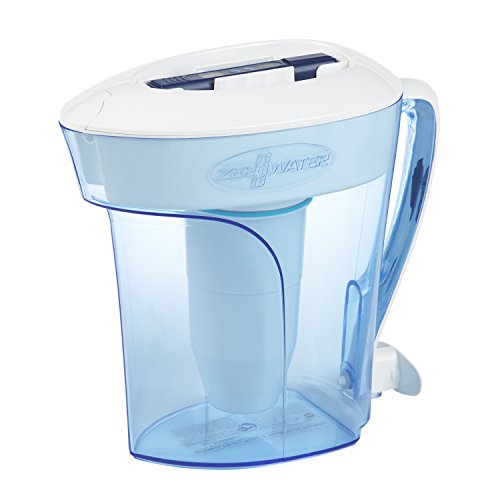
ZeroWater takes a different approach with a five-stage filtration system that includes ion exchange, which removes dissolved solids as well as chlorine and lead. The 10-cup pitcher includes a TDS meter, which measures total dissolved solids in the water and shows a reading of zero when the filter is working fully. That meter is the key feature: it gives a visible number rather than a timer.
The filter life depends on the local water: in areas with high dissolved solids, the filter lasts a shorter time, while in soft water areas it lasts longer. The pitcher is designed for a fridge door, with a slim profile and a spout that pours without removing the lid. The pitcher is BPA free and dishwasher safe.
Pick ZeroWater when the goal is the cleanest-tasting water possible and the TDS meter appeals as a way to know when the filter is spent. It is the most thorough filtration here, and the meter removes the guesswork about filter life.
How to choose
Start with capacity. A 10-cup pitcher suits a family of three or four, while a smaller pitcher suits a single person or a couple. A larger pitcher means fewer refills, but it also means a taller jug that may not fit a fridge door. Measure the fridge shelf height and the door depth before buying, and check the pitcher dimensions against those numbers.
Next, look at filter life and cost. A filter that lasts six months means fewer changes and lower effort, while a two-month filter needs more attention but often costs less per filter. The total cost over a year is what matters, not the price of a single filter. A filter indicator or a TDS meter helps track when a change is due, which is better than guessing.
Finally, check certification. NSF certification means an independent body tested the filter for specific contaminants. Look for the contaminants that matter in local water: lead, chlorine, mercury, and dissolved solids are the common ones. A filter that is certified for lead is worth more than one that only claims to improve taste.
Who should skip
A water filter pitcher is not the right tool for every kitchen. Households with very hard water or well water may need a stronger system, since a pitcher filter is designed for municipal tap water and may not handle high mineral content well. People who drink very little tap water may also find a pitcher unnecessary, since a single filter can sit unused for months.
Renters and small kitchens should check fridge space carefully: a tall 11-cup pitcher does not fit every fridge door, and a pitcher that lives on the counter takes up valuable space. And anyone who wants instant filtered water on demand should consider a faucet filter instead, since a pitcher needs time to filter each fill.
FAQ
How often should a water filter pitcher filter be changed?
Most filters last about two months, though some last six months. Follow the maker guidance and the filter indicator, and change the filter sooner if the water tastes off or the flow slows down.
Do water filter pitchers remove lead?
Many pitchers are certified to reduce lead, including the Brita Elite, PUR PLUS, and ZeroWater models here. Check the NSF certification for the specific contaminants a filter is rated to reduce.
Can a water filter pitcher go in the dishwasher?
Most pitchers are dishwasher safe on the top rack, though the filter itself should never go in the dishwasher. Remove the filter before washing and let the pitcher dry fully before reassembling.
What does a TDS meter measure?
A TDS meter measures total dissolved solids in water, which includes minerals and salts. ZeroWater includes one to show when the filter is working and when it needs replacing, with a reading of zero meaning the water is fully filtered.
Final verdict
For a family that wants a large pitcher with a long filter life, the Brita Elite is the strongest pick, with a six-month filter and a clear indicator. For a compact fit, the Brita Tahoe suits short fridge shelves. PUR PLUS and the standard PUR pitcher both offer 11-cup capacity, with the PLUS model adding broader filtration. ZeroWater is the best choice for the most thorough filtration and a visible TDS reading. Measure the fridge first, then choose by capacity and certification.
FAQ
How often should a water filter pitcher filter be changed?
Do water filter pitchers remove lead?
Can a water filter pitcher go in the dishwasher?
What does a TDS meter measure?
More from Amazon
Programs that pair well with the guide above. Offers and eligibility are set by Amazon and may change.
Free shipping on eligible items, Prime Video and more. Eligible new members can start with a free trial.
Start a Prime free trialAudiobooks and podcasts to listen to on the go. Eligible new members can start with a free trial.
Try Audible freeAd-free music streaming. Eligible new subscribers can start with a free trial.
Try Music Unlimited freeA free business account with business pricing and bulk-buying tools for work, shop or home office.
Create a business accountAs an Amazon Associate we earn from qualifying purchases.




Write Your Review
No reviews yet. Be the first to share your experience!